Gifting has shifted from being about obligation to intention. People are no longer impressed by size or price alone; what resonates more deeply is relevance. In that context, personalised gifting has grown steadily, not as a trend but as a thoughtful response to how relationships are evolving. Still, not every occasion calls for customisation, and not every recipient values it equally. Knowing when to choose personalised gifts is what makes the gesture feel meaningful rather than forced.
When the Relationship Is Personal, Not Formal

Personalisation works best when there is emotional familiarity. Close friendships, romantic relationships, and immediate family members naturally lend themselves to customised gifting because you’re already part of each other’s personal space. Adding a name, date, or inside reference doesn’t feel intrusive; it feels natural.
This is why, when personalised gifts are appropriate, it usually ties back to how well you know the recipient. If you understand their preferences, humour, or emotional milestones, personalisation enhances the gift instead of overshadowing it. In contrast, professional or distant relationships often call for safer, more neutral gifting choices where custom details may feel unnecessary or even awkward.
When the Occasion Marks a Milestone

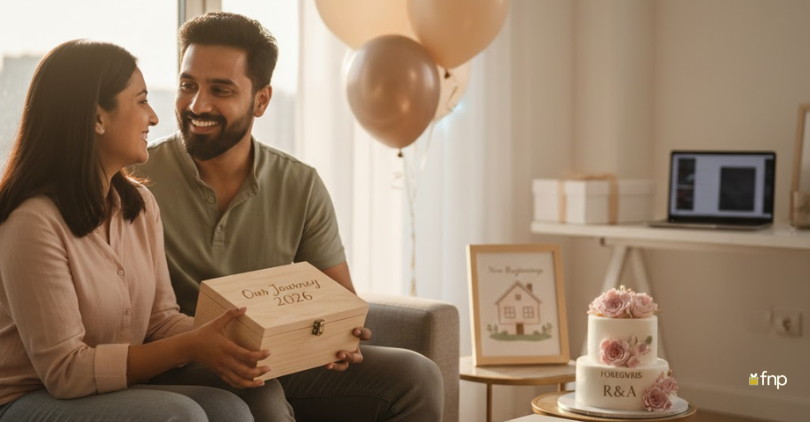
Certain moments carry emotional weight by default. Birthdays that feel significant, anniversaries, engagements, or life events such as moving into a new home are all occasions where personalisation adds value. These moments are about memory-making, not utility.
A gift that reflects a shared date, a meaningful phrase, or a personal achievement transforms into something the recipient is likely to keep rather than consume and forget. This is where items like personalised gifts stand out, because they serve as reminders of a specific chapter rather than just the event itself.
When the Gift Is Meant to Be Remembered
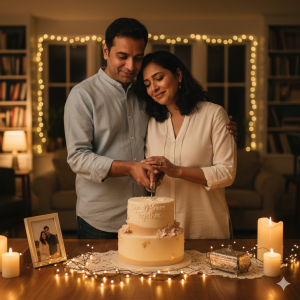
Not all gifts are meant to last. Some are meant to be enjoyed in the moment, while others are meant to stay. If your intention is to create a keepsake or something emotionally durable, personalisation becomes relevant.
Think about whether the gift is meant to mark a memory or simply fulfil a need. Décor items, photo-based gifts, or celebration desserts fall into this category because they are already associated with emotion and shared experiences. This is why customised elements work especially well with items like personalised cakes, where the message becomes part of the celebration itself rather than an afterthought.
When Timing Allows for Thoughtfulness
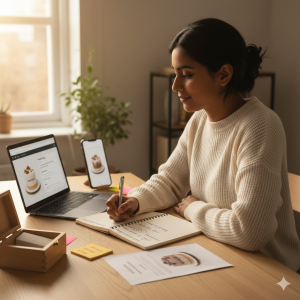
One overlooked factor in personalised gifting is time. Customised gifts require planning, approvals, and sometimes revisions. Choosing personalisation at the last minute often results in rushed decisions that dilute the sentiment. If you have the lead time to think through the message, the format, and how it aligns with the occasion, personalisation can feel intentional. Without that space, it risks becoming generic customisation, which defeats the purpose.
The timing of when you give the gift is a key thing to consider before choosing personalized gifts, whether you can give the process the attention it deserves.
When the Message Matters More Than the Object

There are occasions where the gift itself is secondary to what you want to say. Apologies, gratitude, encouragement, or reassurance are often when personalised gifts are appropriate. In such cases, a personalised element allows the message to lead.
A simple item with a carefully chosen line or name can carry more emotional weight than an expensive but impersonal gift. Here, personalisation acts as a communicator rather than a decorative feature.
When You’re Confident About Preferences
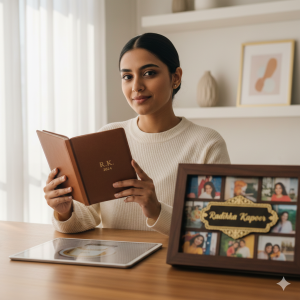
Personalisation limits flexibility. Once customised, the gift cannot be repurposed or exchanged easily. That makes it important to be confident about the recipient’s taste, tone, and comfort level.
If the recipient prefers minimalism, overly elaborate customisation may feel excessive. If they value privacy, public-facing personalised items might not be appreciated. The success of a personalised gift depends less on creativity and more on alignment.
Choosing Personalisation With Intention
Personalised gifts are most effective when they reflect understanding, not effort alone. They work when the relationship is personal, the occasion meaningful, and the message clear. They fall short when used by default rather than by design. Ultimately, personalisation isn’t about adding a name; it’s about adding relevance. Choosing it at the right moment ensures the gift feels thoughtful, not performative, and that’s what makes it memorable.x