
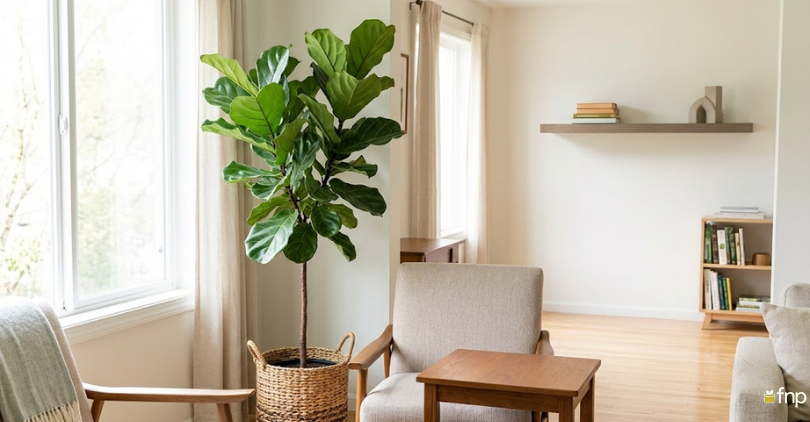
Ficus plants are some of the most popular choices for home and office greenery, and it is easy to see why. They come in a wide range of shapes, sizes, and leaf textures, which makes choosing the right ficus plant feel a little overwhelming if you are just starting out. Some varieties grow tall and dramatic, while others stay compact and bushy, so the right pick really depends on your space, your light conditions, and how much time you can realistically give to plant care. If you are browsing for ficus plants online, it helps to know what to look for before you add one to your cart.
Consider the Light in Your Space First

Before anything else, take a good look at how much natural light your room actually gets. Ficus plants generally prefer bright, indirect sunlight, though some varieties tolerate lower light better than others. A spot near an east or west-facing window usually works well, since it offers enough brightness without harsh, direct afternoon sun. If your home only gets limited daylight, look for hardier varieties commonly listed among indoor plants known for adapting to dimmer corners. Getting this part right early makes a noticeable difference in how full your plant looks over time.
Think About Size and Growth Habit
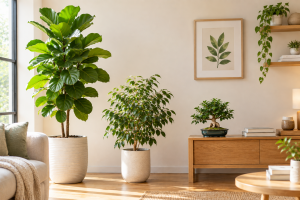
Ficus plants range from small tabletop varieties to towering floor plants that can eventually brush the ceiling, so it is worth thinking ahead about how much room yours will need. A fiddle leaf fig, for instance, can grow quite large and works best as a statement piece in an open corner, while a ficus bonsai stays compact and suits a desk or shelf. Choosing the right ficus plant also means being honest about how much space you are willing to dedicate to it, rather than picking whatever looks appealing in the store.
Match the Plant to Your Lifestyle
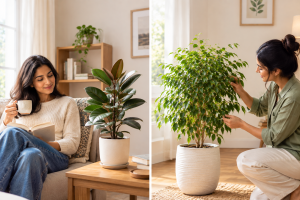
Not everyone has the time or patience for a high-maintenance plant, and that is completely fine. If your schedule is busy or you tend to forget watering days, look specifically for low maintenance plants within the ficus family, such as the rubber plant, which tolerates a bit of neglect without dropping leaves dramatically. On the other hand, if you enjoy the process of tending to greenery and do not mind a little extra attention, varieties like the weeping fig can reward that effort with a fuller, more elegant look over time.
Pay Attention to Humidity and Placement
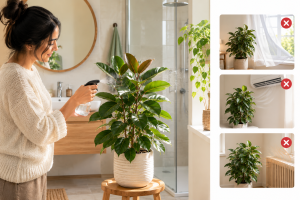
Most ficus varieties appreciate a reasonably humid environment, which is why bathrooms or kitchens sometimes work surprisingly well for certain types. Avoid placing your plant near drafty windows, air conditioning vents, or heating units, since sudden temperature changes can cause leaf drop even in healthy plants. Consistency matters more than perfection here, so once you find a spot your ficus seems happy in, avoid moving it around too often.
Buying Smart When Shopping Online

When you are shopping for ficus plants online, look closely at product descriptions for details on mature size, light requirements, and care difficulty before making a decision, since photos alone rarely tell the full story. Reading a few verified reviews can also give you a realistic sense of how the plant performs once it settles into a new home, rather than relying only on the seller’s own claims.
Trust the Label When You Shop
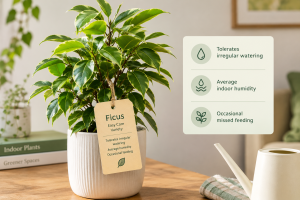
Reputable sellers usually specify whether a variety that requires more attentive care, and it is worth trusting that label rather than assuming every ficus behaves the same way. A plant marketed this way typically tolerates irregular watering, average indoor humidity, and the occasional missed feeding without serious setbacks, which makes it a safer bet for beginners still learning their space.
Bringing It All Together
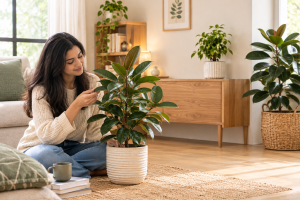
Choosing the right ficus plant ultimately comes down to matching the plant to your space, your light, and your lifestyle rather than picking based on looks alone. Whether you want a bold, architectural piece for a bright living room or a smaller, easygoing addition among your other indoor plants, there is a ficus variety suited to almost every setup. Take your time, consider these factors honestly, and you will end up with a plant that fits naturally into your home for years to come.