
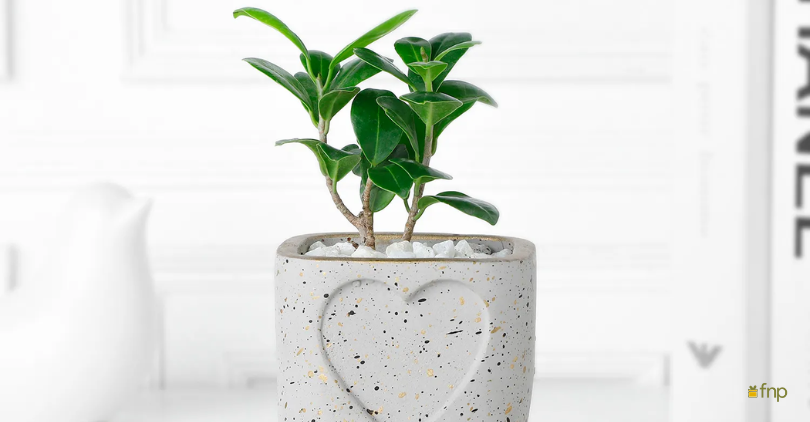
Ficus plants are among the most popular indoor plants. Because of their size and aesthetics, they are also known for their structured growth and glossy foliage. However, beginners often experience leaf drop or yellowing due to inconsistent care. You can also understand how to care for ficus plants properly, which helps prevent these common issues and supports steady growth.
If you’re planning to buy plants, especially ficus varieties, knowing the basics in advance ensures your plant adapts well to its new environment. This guide simplifies ficus plant care into practical, beginner-friendly steps.
Understanding Ficus Plants
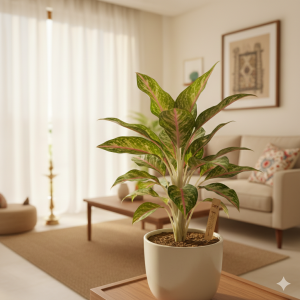
Before mastering how to care for ficus plants, it is important to understand their preference for stability. They dislike sudden changes in lighting, temperature, or placement. Even shifting the pot frequently can lead to leaf drop.
Popular indoor varieties include Ficus benjamina (Weeping Fig), Ficus elastica (Rubber Plant), and Ficus lyrata (Fiddle Leaf Fig). While their leaf shapes may vary, the core principles of ficus plant care remain consistent across all of its types.
Light Requirements

As with any plant, lighting has a major role in caring for the ficus plants.
- Provide indirect sunlight.
- Avoid prolonged harsh afternoon sun.
- Keep placement consistent to reduce stress.
Inadequate light often leads to slow growth, while excessive direct sunlight may cause leaf burn. Balanced lighting simplifies ficus plant care significantly.
Watering the Right Way
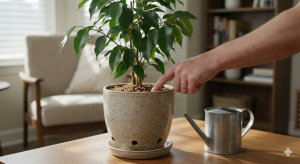
The most important aspect to learn about is how often you need to water the plant. Overwatering is a mistake that many make while taking care of a ficus plant.
- Water when the top 1 or 2 inches of soil feel dry.
- Ensure proper drainage to prevent the roots from rotting.
- Reduce watering during the winter months.
When learning how to care for ficus plants, remember that consistently soggy soil is more harmful than slightly dry soil. A measured watering routine supports healthy roots.
Soil and Repotting

Healthy roots depend on well-draining soil.
- Use quality indoor potting mix.
- Add perlite or sand for improved aeration if required.
- Repot every 1–2 years or when roots outgrow the container.
Good soil structure is essential for effective ficus plant care and helps maintain steady growth over time.
Temperature and Humidity
- If you want the ficus plants to thrive, you need to ensure that it meets:
- Indoor temperatures between 18°C and 26°C
- Moderate humidity
- Protection from cold direct drafts and direct AC airflow
Suppose you are to provide stable environmental conditions, caring for ficus plants is far simpler. Sudden temperature shifts can trigger leaf shedding even when watering is correct.
Pruning and Maintenance for a Ficus Plant
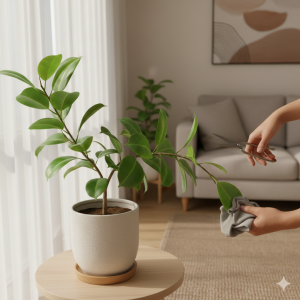
Routine maintenance is essential while caring for your ficus plant’s structure and appearance.
- Prune leggy branches during the growing season.
- Wipe leaves to remove dust buildup.
- You should rotate the pot periodically so that there is balanced growth.
You can take minimal steps but still get consistent results with proper foundation ficus plant care.
Common Issues and Quick Fixes for Plants
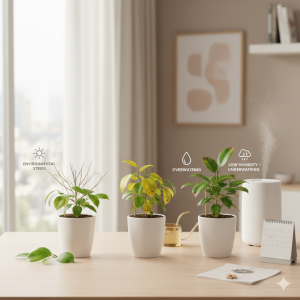
Even before you buy plants online, you should know how to give your plant proper attention and fix minor problems if they arise:
- Leaf Drop: Often caused by environmental changes.
- Yellow Leaves: Typically linked to overwatering.
- Brown Tips: May indicate low humidity or inconsistent watering.
Adjusting care conditions usually resolves these concerns over time.
As a Beginner How to Care for Ficus Plants Successfully?
Understanding how to care for ficus plants involves maintaining balance, adequate light, controlled watering, proper drainage, and stable indoor temperatures. Ficus plant care does not need complicated routines, but it does demand consistency.
With steady attention and minimal intervention, ficus plants can grow into long-lasting indoor companions that enhance both small apartments and spacious homes alike.