
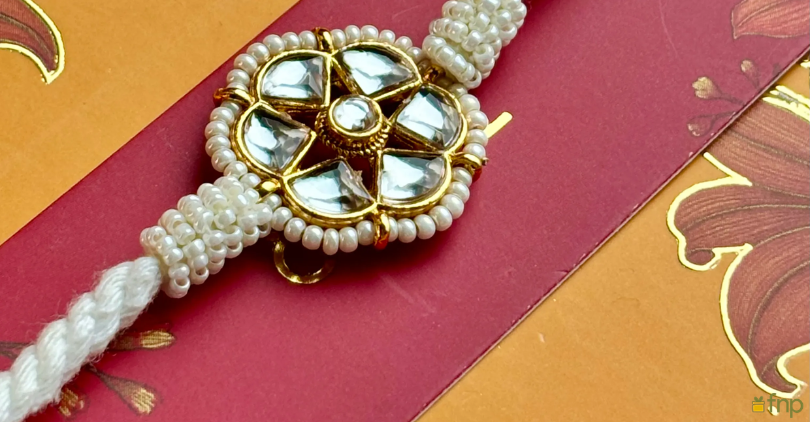
Every year around Raksha Bandhan, the same small question pops up in family group chats and mother-son conversations alike when to untie rakhi, and whether there’s even a “correct” time at all. The tying part gets all the attention, the photos, the sweets, the emotional moment between siblings. What happens after, though, is something most people just wing it on, usually based on whatever their grandmother told them once and never questioned again. Turns out there’s actual tradition behind it, and it varies more by region and family than most people realise.
The Most Common Practice: A Full Day and Night
In most households, the simplest answer to when to untie rakhi is straightforward, you keep it on for at least a full day and night after the ceremony. The idea is that the thread should stay tied through one complete cycle before it’s removed, symbolically letting the blessing and the bond settle in before the physical thread comes off. Practically speaking, this also means the rakhi survives the celebratory chaos of the day itself, the meals, the photos, the visits to relatives without anyone worrying about taking it off too soon.
Some Families Wait Much Longer
Not everyone follows the one-day rule, though. In several parts of North India, particularly in Rajasthan and parts of Uttar Pradesh, it’s common for brothers to keep the rakhi on until it naturally frays, fades, or falls off on its own. Some families stretch this even further, keeping the thread tied until the next major festival, like Janmashtami, which usually falls just a few days after Raksha Bandhan. There’s no single rulebook here; it really comes down to what your own family has always done, and there’s nothing wrong with picking whichever version feels right to you.
What About Removing It the Same Evening?
A smaller group of people do take the rakhi off the same evening, particularly if it’s uncomfortable, or if work requires removing accessories, or simply because the thread has already served its symbolic purpose by the time the day winds down. There’s no religious rule against this. The emotional weight of Raksha Bandhan lives in the moment of tying, not in how long the thread physically stays on the wrist afterward, so removing it that evening isn’t considered disrespectful in any tradition. If anything, priests and family elders tend to agree that intention matters more than duration. The ritual is complete the moment the thread is tied and the prayer is said, everything after that is just personal preference.
Disposing of an Old Rakhi Respectfully
Once it does come off, whether that’s the same night or weeks later, there’s still the question of what to actually do with it. Since a rakhi is considered a sacred thread, most households avoid simply throwing it in the regular bin. The more traditional options include immersing it in a river or body of water(if it is eco friendly), tying it to a tree in the garden, or placing it near a temple or a small home shrine until it naturally decomposes. Some people prefer to save a particularly special one, from a first rakhi as kids or an especially meaningful year, tucked away in a drawer rather than disposed of at all which is the best idea.
Regional Variations Worth Knowing
If you’re planning to send a rakhi to a sibling abroad this year, sourced through a platform offering rakhi online, it’s worth keeping in mind that removal customs can differ quite a bit depending on where your family is originally from. South Indian households, for instance, often treat the thread more casually once the ceremony is done, while some Marwari and Rajasthani families treat the timing with much more ritual significance. None of these variations are wrong, they’ve just evolved differently depending on local customs passed down over generations.
So, What’s the Right Answer?
Honestly, there isn’t one single right answer to when to untie rakhi, and that’s kind of the point. Whether you take it off after 24 hours, wait until it wears out naturally, or keep it on until the next big festival, what matters most is the sentiment behind the ceremony itself, not the exact hour the thread comes off. Families have built entire personal traditions around this small, quiet detail, and honestly, that variety is part of what makes the festival feel personal rather than scripted.
If you’re still figuring out what to send this year, it’s worth remembering that the gesture behind the day usually matters far more than getting every custom perfectly right. A thoughtful rakhi gift for sister, chosen with a bit of care, tends to be remembered long after the thread itself has been untied, faded, or tucked away in a drawer somewhere.


