
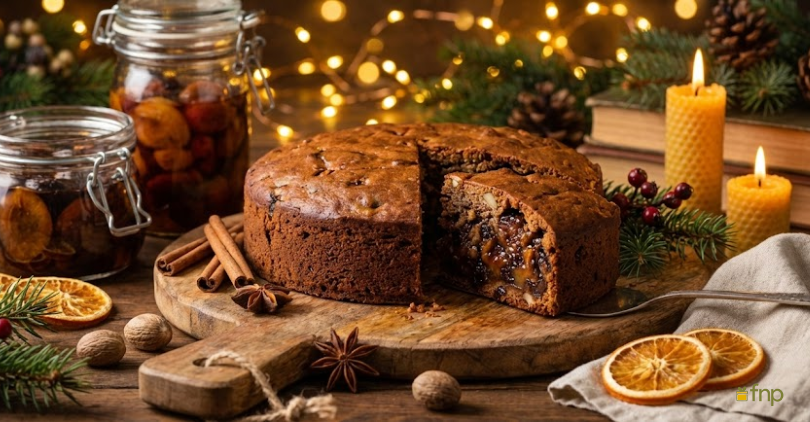
December doesn’t arrive quietly. It sweeps in with glittering lights, the scent of spices drifting past busy streets, and the unmistakable buzz of preparation. And every year, right at the centre of a Christmas dinner storm, sits a plum cake so deeply tied to the season that people rarely stop to ask why plum cake for Christmas. Yet the question lingers, carrying with it stories, rituals, and a certain magic the season refuses to let go of.
Long before homes filled with decorations and the warmth of gatherings, families would begin this seasonal ritual with a simple promise: the year isn’t complete until that one special loaf finds its way to the table. To many, this cake isn’t just dessert; it’s an heirloom passed down in flavour.
A Story Shaped by Winters and Wanderers
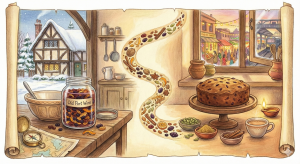
One tale that answers why plum cake for Christmas carries the fragrance of old European winters. The tale begins in a village where harsh cold left families turning to preserved fruits, raisins, prunes, and berries dried during sunnier months. These fruits were soaked in spirits or warm wine, revived slowly, and folded into dense batter to create what we now recognise as a beloved festive cake.
Travellers carried this recipe across continents, letting it settle into different cultures, different climates. By the time it reached India, it had gathered centuries of meaning, becoming the one Christmas cake almost every household embraced. And even today, when bakeries reinvent flavours constantly, this particular tradition feels immovable, almost sacred.
The Soaking Ritual: A Celebration Before the Celebration
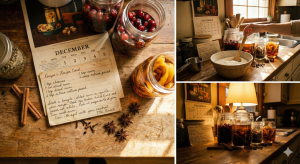
One of the loveliest answers to why plum cake for Christmas comes from the ritual that begins long before the day itself. Families soak fruits weeks, sometimes months, in advance. Jars filled with cherries, dates, citrus peel, and raisins sit quietly on shelves, slowly absorbing flavour, colour, and a little anticipation.
It is this waiting, this gentle preparation, that gives the cake its soul. Few festive foods demand such patience, and perhaps that is exactly what makes the tradition irreplaceable. Every household has its own method, its own blend of spices, its own soaking secret. The ritual feels almost like an intimate conversation between the year gone by and the celebration ahead.
A Flavour Built on Warmth, Spice, and Memory
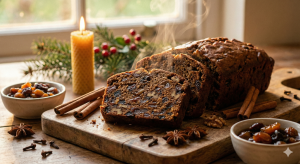
To understand why plum cake for Christmas, one only has to slice into a freshly baked loaf. The aroma rises immediately, molasses-like sweetness, spices unfurling in slow ribbons, and fruits shimmering within the crumb. The flavour doesn’t shout; it deepens gradually, much like the season itself.
Even with its many variations today, lighter textures, darker crumbs, alcohol-free versions, the cake carries the same warmth. That warmth lingers, settling into memory long after the last bite is gone.
The Gift That Speaks Without Words
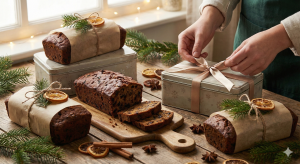
Gifting answers another layer of why plum cake for Christmas. The cake travels well, ages beautifully, and seems to grow richer in flavour with each passing day. Families often bake multiple loaves, each wrapped in ribbon or tucked into classic tins, ready to be shared with neighbours, colleagues, and distant relatives.
There is something deeply thoughtful about gifting a dessert that requires weeks of preparation. You aren’t merely offering a treat; you are offering time, devotion, and a festive gesture shaped with intention.
Symbolism Hidden in Every Slice
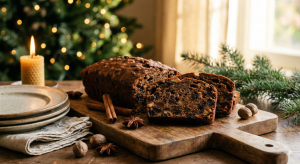
Every slice of Plum Cake carries meaning that extends far beyond taste, and this too plays into why plum cake for Christmas.
- It symbolises abundance, fruits gathered through the year.
- It symbolises warmth, spices chosen to soften winter’s edge.
- It symbolises sharing, because this cake, more than most, was always meant for more than one plate.
Even today, when homes are decorated differently, and Christmas songs sound more digital than ever, this simple cake remains a reminder of a deeper, older rhythm of celebration.
A Tradition That Evolves but Never Leaves
Modern kitchens experiment freely, yet these reinventions never quite replace the classic loaf. And perhaps this is part of why plum cake for Christmas continues to resonate. It adapts but does not vanish. It changes but does not forget. Every December, regardless of trends, this cake returns, steady, fragrant, and familiar.
Why Plum Cake Remains the Heart of Christmas
After all these centuries, why plum cake for Christmas still feels like a question best answered by the season itself. Because the cake holds stories. Because it rewards patience. Because it brings people together. Because it tastes like warmth at a time the world feels cold. Because celebration, at its core, is made of shared traditions, and few traditions feel as timeless.
In the end, why plum cake for Christmas is simple: the cake has become the season’s heartbeat. And even as the world changes, its place at the centre of Christmas remains certain, rich, fragrant, and ready to be shared. Bring home the classic flavours of Christmas with FNP’s festive plum cakes.


