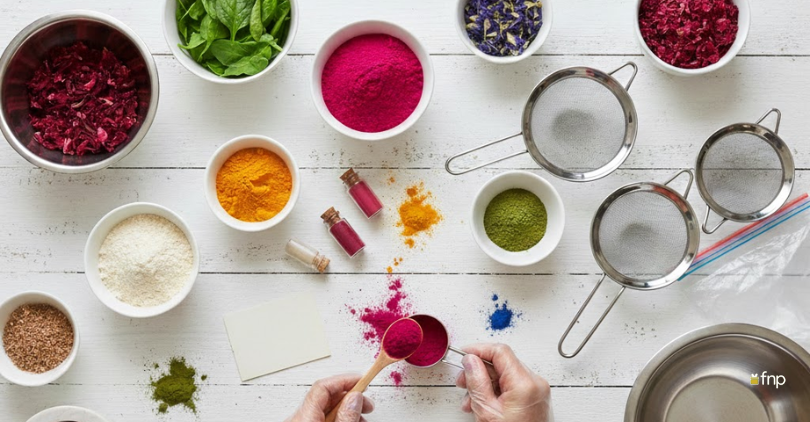
There’s a certain charm in preparing Holi colours the old-fashioned way. Turmeric stains your fingertips golden, beetroot blushes into soft pink, and gram flour turns into clouds of sunlit powder. These are colours with memory, gentle on the skin and kinder to the earth.
They wash away easily, leaving laughter instead of lingering marks. And in the quiet act of mixing and sieving, the festival begins early, in kitchens filled with warmth, conversation, and anticipation. Natural colours don’t just brighten the day; they deepen it.
Essential Ingredients You’ll Need
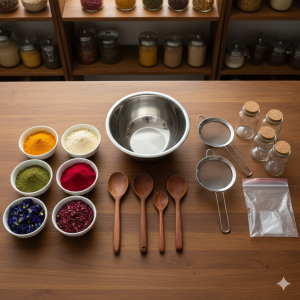
Your kitchen pantry holds most of what you need to create beautiful, natural Holi colours. Use this organised checklist:
Ingredients
- Turmeric
- Beetroot powder
- Gram flour
- Henna
- Dried hibiscus or rose petals
- Spinach powder
- Butterfly pea flowers (for blue)
Tools
- Mixing bowls
- Spoons
- Fine sieve
Storage
- Airtight containers or zip-lock bags
- Cool, dry storage space
How to Make Natural Colours at Home – Step-by-Step Recipes
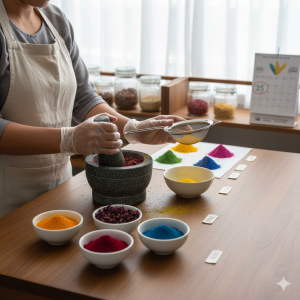
Creating your own natural colours is easier than you might think. The process involves simple grinding, mixing, and sometimes drying techniques that anyone can master at home.
Before you begin, ensure all ingredients are completely dry to prevent clumping. Work in a well-ventilated area and consider wearing an apron to protect your clothes. Always prepare colours a day or two before Holi to allow proper drying time if needed.
Vibrant Red and Pink Colours
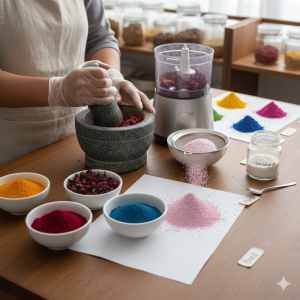
For stunning red and pink shades, dried beetroot powder works wonderfully. Grind dried beetroot slices into a fine powder using a blender or food processor, then sieve for smoothness.
Alternatively, dried hibiscus flowers create beautiful pink tones. Dry the flowers completely in sunlight, then grind them into powder. Mix with a small amount of cornstarch or rice flour to increase volume and create lighter pink shades.
For deeper reds, use pure beetroot powder without dilution. For softer pinks, blend two parts cornflour with one part beetroot powder. These colours apply smoothly and wash off easily with water.
Sunny Yellow and Orange Hues
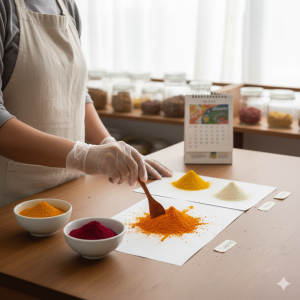
Turmeric powder is your go-to ingredient for brilliant yellow colours. It’s already in powder form, making it the easiest natural colour to prepare. You can use pure turmeric powder directly, or mix it with gram flour for a lighter, softer yellow.
To create vibrant orange shades, combine two parts turmeric with one part red sandalwood powder or beetroot powder. Alternatively, mix turmeric with a small amount of paprika powder for warm orange tones.
These colours are particularly skin-friendly, as turmeric has natural antiseptic properties that actually benefit your skin during play.
Beautiful Green Shades
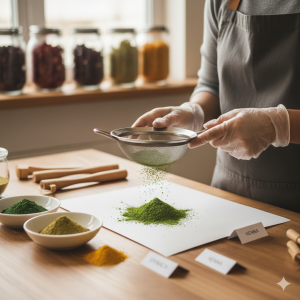
Create lovely green colours using dried spinach leaves or henna powder. For spinach-based green, thoroughly dry fresh spinach leaves in sunlight, then grind them into fine powder and sieve carefully.
Henna powder, readily available at most stores, produces earthy green tones. Mix pure henna with a bit of gram flour for lighter shades, or use it pure for deeper green colours.
For the best results, ensure your green powder is completely dry and finely ground. These natural greens are gentle and nourishing, leaving your skin feeling soft rather than irritated after the celebrations.
Royal Blue and Purple Tones
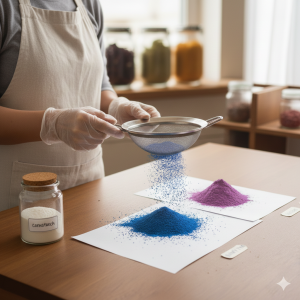
Butterfly pea flowers create the most stunning natural blue colours. Dry the flowers completely, grind them into powder, and sieve for a smooth consistency. The resulting blue is vibrant and completely safe for skin.
Purple cabbage, when dried and powdered, also produces beautiful blue-purple tones. You need to chop the cabbage finely, dry it thoroughly, then grind it into powder. Mix with cornstarch to lighten the shade as desired.
To create purple hues, blend the powder with a small amount of beetroot powder. Experiment with ratios to achieve your perfect shade, from lavender to deep royal purple.
Safety Tips While Using Natural Colours
- Perform a patch test before application, even if the ingredients are natural. Apply a small amount to the inner wrist and wait 15 minutes to check for any allergic reaction.
- Keep colours away from the eyes, mouth, and open wounds during play. Natural colours are generally safe but may still cause irritation in sensitive areas. Encourage children to apply colours gently instead of throwing them forcefully.
- Apply coconut oil or a moisturiser to the skin and hair before playing. This creates a protective barrier and makes colour removal easier. After celebrations, use natural oils such as coconut or olive oil to loosen the colours before washing off with a mild soap.
Making Holi Celebrations Extra Special
You can elevate the Holi festivities by pairing your homemade natural colours with delicious Holi cakes that bring sweetness to the celebration. The combination of safe, colourful play and delightful treats creates unforgettable memories for everyone involved.
Consider creating thoughtful gift packages by combining your handmade colours with other festive items as a special Holi gift for friends and family. Pack them beautifully in transparent jars or decorative bags with personalised labels explaining the natural ingredients used.
Sharing your homemade, skin-friendly colours demonstrates love and consideration for your loved ones’ wellbeing while honouring traditional festivities.
Final Thoughts on DIY Natural Colours
Making natural Holi colours at home combines the best of tradition with modern health consciousness. You get safe, affordable, and eco-friendly colours that protect your family and the environment simultaneously.
Don’t wait for next year, start experimenting with these simple recipes today. The process is enjoyable, educational, and incredibly rewarding when you see the vibrant results of your efforts.
Celebrate this beautiful festival knowing you’re making responsible choices without compromising on fun or vibrancy. You can create memories this Holi with family and friends while keeping everyone safe and healthy throughout the colourful festivities.