
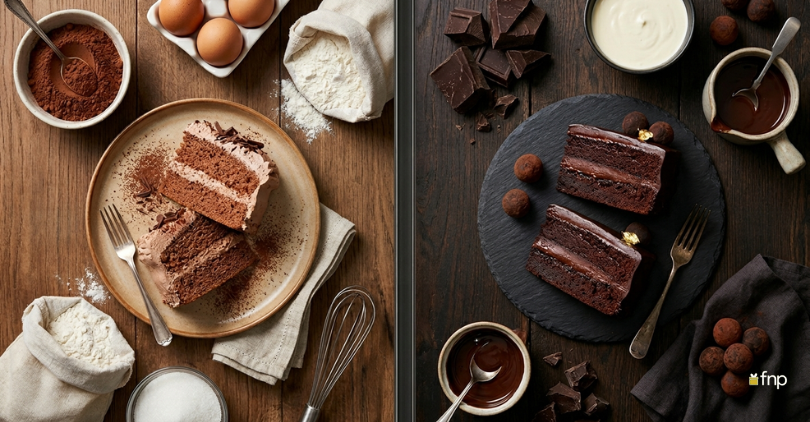
Chocolate-based desserts often get grouped together, even when their structure and preparation differ quite noticeably. This becomes more apparent when comparing a standard chocolate cake with a truffle cake. The names sound similar enough to create overlap, but the composition, texture, and overall experience are not the same.
Understanding the difference between chocolate cake and chocolate truffle cake requires looking beyond flavour. The variation lies in how each cake is built, layered, and finished. While both belong to the same category, they follow different approaches in preparation.
Base Composition and Structure
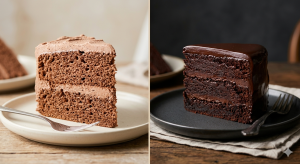
A chocolate cake typically starts with a sponge base. The batter is lighter, often made using flour, cocoa powder, eggs, and leavening agents. The result is a cake that rises, creating a soft and airy texture.
In contrast, a truffle cake leans toward density. The base may still resemble a sponge, but it is usually richer and more compact. In many cases, the cake layers are combined with heavier fillings, which reduces the overall lightness.
This is one of the more immediate distinctions when examining the difference between chocolate cake and chocolate truffle cake. One prioritises softness and volume, the other leans toward richness and structure.
Texture and Mouthfeel
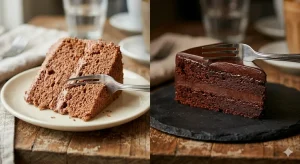
Texture plays a defining role. A standard chocolate cake tends to feel light when cut and served. The crumb is softer, with more air incorporated during baking.
A truffle cake, on the other hand, feels heavier. The layers are often tighter, and the presence of ganache or dense fillings changes how the cake holds together. It does not crumble as easily and often appears more compact when sliced.
When analysing the difference between chocolate and truffle cake, this contrast in texture becomes one of the most noticeable factors.
Use of Chocolate vs Ganache
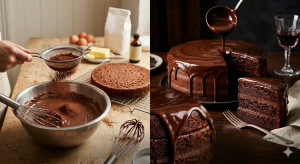
A chocolate cake uses cocoa powder or melted chocolate within the batter itself. The chocolate flavour is distributed throughout the sponge, but the outer layers may include lighter frosting or cream.
A truffle cake relies heavily on ganache, a mixture of chocolate and cream. This ganache is used not just as a topping but also as a filling between layers. It defines the overall profile of the cake.
This reliance on ganache is central to the difference between chocolate cake and chocolate truffle cake. It shifts the cake from being sponge-focused to chocolate-focused in a more concentrated way.
Sweetness and Flavour Depth
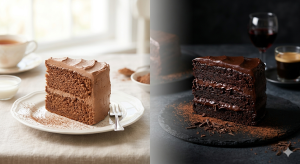
Flavour intensity varies between the two. A chocolate cake often has a balanced sweetness. The chocolate notes are present but not overwhelming, allowing it to appeal to a wider range of preferences.
A truffle cake tends to have deeper chocolate notes. Depending on the type of chocolate used in the ganache, the flavour can range from mildly sweet to slightly bitter. This creates a more layered taste profile.
When considering the difference between chocolate and truffle cake, the depth of flavour becomes an important factor. The truffle version often feels more intense, even in smaller portions.
Appearance and Finish
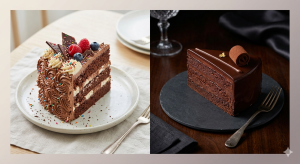
The visual presentation also differs. A chocolate cake may include decorative frosting, cream layers, or toppings such as sprinkles, fruits, or chocolate shards.
A truffle cake usually has a smoother, more uniform finish. The ganache coating creates a glossy or matte surface, depending on how it is applied. Decoration tends to remain minimal.
This distinction contributes to the overall difference between chocolate cake and chocolate truffle cake, especially in how each cake is perceived at first glance.
Occasion and Preference
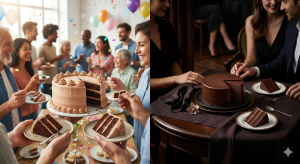
Choice often depends on the occasion. A chocolate cake is more commonly used for general celebrations where a lighter dessert is preferred. It suits larger gatherings where variety in taste preferences needs to be considered.
A truffle cake is often selected when the focus is on richness and indulgence. It tends to appear in settings where smaller portions are acceptable due to its density.
In understanding the difference between chocolate and truffle cake, usage patterns provide additional context. The decision is not only about taste but also about how the cake fits into the event.
Storage and Shelf Life
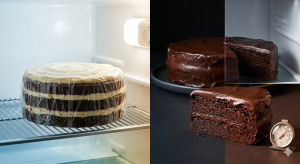
Storage requirements differ slightly. A chocolate cake with cream-based frosting may need refrigeration, but it generally remains stable for a reasonable period.
A truffle cake, due to its ganache content, often requires more careful storage. The texture can change depending on temperature, becoming firmer when cold and softer at room temperature.
This practical aspect adds another layer to the difference between chocolate cake and chocolate truffle cake, especially when considering preparation in advance.
Conclusion
Selecting between a chocolate cake and a truffle cake does not come down to which one is better. The distinction lies in what is expected from the dessert. A lighter, more balanced option versus a denser, more chocolate-forward experience. The difference between chocolate cake and chocolate truffle cake becomes clearer when these elements are considered together rather than individually. Each cake follows a different approach, even if they begin with similar ingredients.


