

Time-based celebrations tend to carry a different kind of value compared to material gifting. They do not remain visible in the same way, but they often stay more clearly defined in memory. When considering Mother’s Day activities, the focus shifts toward shared moments rather than structured plans. That said, completely unplanned time does not always translate into meaningful engagement. A certain level of intention is still required.
Many Mother’s Day activities that feel worthwhile are not necessarily elaborate. They are built around simple formats, adjusted slightly to create a sense of occasion. The sections below outline activities that hold that balance, not overly designed, but not entirely casual either.
Planning a Home-Style Brunch with Minimal Setup

A home brunch does not require a full dining arrangement. A few selected dishes, a clean table setup, and some attention to timing are usually enough. Among Mother’s Day activities, this works because it keeps the setting familiar while still introducing a change in routine. Preparing the meal, even partially, adds involvement without making the process too demanding. Adding small details like handwritten menu cards or a slightly styled table shifts the experience from everyday dining to something more intentional.
Creating a Memory-Focused Evening with Old Photos
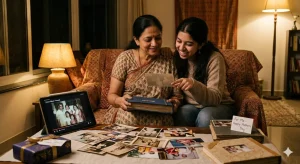
Going through older photographs or videos tends to introduce a slower pace. It does not require constant interaction, yet it keeps attention engaged. In many Mother’s Day activities, this format works because it does not rely on planning multiple elements. A curated set of photos or short clips is enough to build the experience. This can also be paired with gifts for mom on Mother’s Day, especially if the memories are compiled into a physical album or digital format.
Organising a Simple Outdoor Walk or Picnic

Outdoor settings change how time is spent. Even a short walk in a park or a small picnic introduces a break from routine environments. When exploring Mother’s Day activities, this option works well because it does not depend on structured entertainment. The setting itself carries most of the experience. A small picnic setup with light snacks or a compact hamper can add to the arrangement without making it feel overly planned.
Cooking a Meal Together Instead of Ordering In
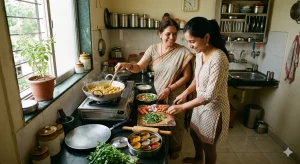
Shared cooking tends to create a different kind of engagement compared to prepared meals. The process itself becomes the activity. Among various Mother’s Day activities, this approach works because it divides attention across multiple small tasks. It avoids the need for constant conversation while still maintaining interaction. The focus does not need to be on complex recipes. Even simple dishes can create enough involvement when prepared together.
Setting Up a Movie or Series Viewing with Small Adjustments
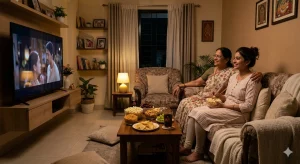
Watching something together is a common activity, but slight changes can make it feel more deliberate. Adjusting the seating, adding snacks, or choosing content in advance introduces structure. In the context of Mother’s Day activities, this works because it does not require extensive planning. The familiarity remains, but the setup feels slightly different. It also allows flexibility. The duration can be adjusted without affecting the overall experience.
Writing Notes or Letters Instead of Verbal Conversations

Not all communication needs to happen verbally. Writing short notes or letters introduces a different way of expressing thoughts. Within Mother’s Day activities, this approach creates a pause. It allows time to think before expressing, which often leads to more specific content. These notes can later be included with Mother’s Day gifts, extending their relevance beyond the moment.
Creating a Small At-Home Relaxation Setup

Transforming a part of the home into a quieter, more relaxed space can function as a low-effort activity. Soft lighting, light music, and minimal interruptions are usually enough. Among Mother’s Day activities, this works because it does not rely on constant engagement. It provides a setting rather than a structured task. Including elements from a Mother’s Day hamper, such as candles or small self-care items, can help define the space without adding complexity.
Visiting a Familiar Place Instead of Planning Something New

Not every activity needs to introduce something new. Returning to a familiar place, a café, a park, or even a nearby location, often brings a different kind of comfort. When considering Mother’s Day activities, this option works because it removes uncertainty. The focus remains on the time spent rather than adjusting to a new environment. It also allows the day to flow more naturally, without fixed timelines or expectations.
Conclusion
Selecting from different Mother’s Day activities does not require building a full itinerary. In many cases, choosing one or two elements and allowing the rest of the day to remain flexible works better. The emphasis tends to remain consistent. Time spent together, with some level of intention, usually carries more weight than a series of disconnected plans. Even small additions, such as including gifts or a thoughtfully arranged hamper, can complete the experience without shifting the focus away from the activity itself.


