
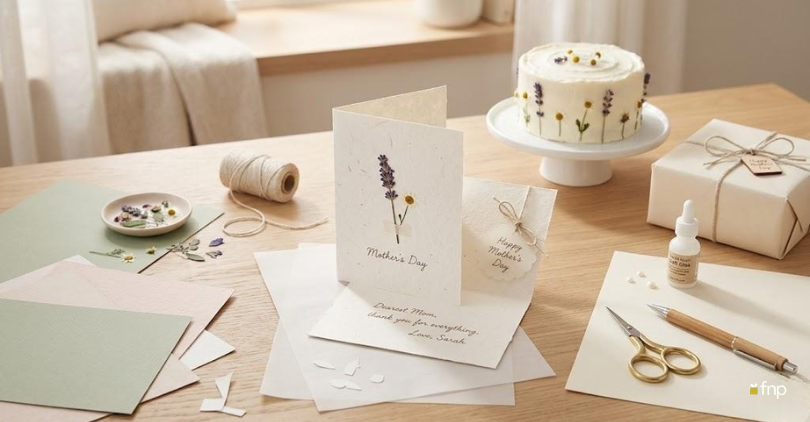
Store-bought cards tend to follow a predictable format. Printed messages, standard layouts, and familiar design patterns. They serve a purpose, but they rarely reflect anything specific. This is where the interest in how do you make a mother’s day card starts to build. Not as a craft exercise alone, but as a way to create something that carries context.
A handmade card does not need to be complex. In most cases, it works better when it avoids overdesign. The focus shifts toward what is being said and how it is presented. When considering how to create a mother’s day card, the process becomes less about technique and more about choosing elements that hold relevance. The steps below outline a structured approach, without turning the process into something overly detailed or time-consuming.
Start with the Base Structure
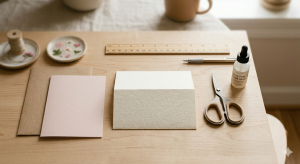
Every card begins with a base. This could be a folded sheet of thick paper, a pre-cut blank card, or even textured craft paper. The choice of material affects how the final card feels, even before any design is added.
When thinking about how do you make a mother’s day card, the base should remain simple. Overly glossy or heavily patterned paper tends to limit what can be added later. A neutral or lightly textured surface works better, allowing flexibility in design.
Decide the Format Before Decorating
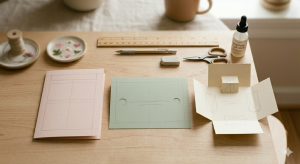
Before adding anything, it helps to decide the format. A vertical fold, horizontal layout, or even a layered card with multiple flaps changes how the content will be arranged.
In the process of how to create a mother’s day card, this step is often skipped. The result is a design that feels unbalanced. Planning the layout early ensures that text, images, and decorative elements do not compete for space later.
Add a Central Element Instead of Multiple Details
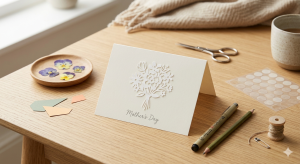
A common mistake is trying to include too many decorative elements. Stickers, drawings, cut-outs, and patterns all at once can make the card feel crowded.
When approaching how do you make a mother’s day card, it is more effective to choose one central element. This could be a hand-drawn illustration, a pressed flower, or even a simple cut-out shape. The rest of the design can remain minimal, supporting that single feature.
Write the Message with Some Structure
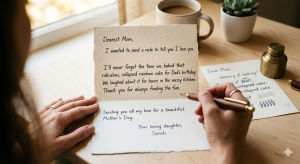
The message often carries more weight than the design itself. However, writing without structure can make it feel rushed or unclear.
In the context of how to create a mother’s day card, the message can follow a simple pattern:
- A short opening line
- One or two specific references or memories
- A closing note
This keeps the content focused without making it overly long. The goal is not to fill space, but to include something that feels specific rather than generic.
Use Handwriting Instead of Printed Text
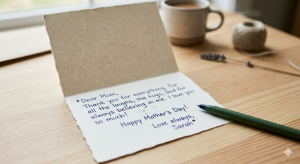
Printed text may look cleaner, but it removes a certain level of individuality. Handwritten notes, even if slightly uneven, tend to feel more direct.
When working through how do you make a mother’s day card, handwriting becomes part of the design. The spacing, alignment, and even minor imperfections contribute to the overall feel. It does not need to be perfectly styled to be effective.
Add Subtle Colour Without Overloading the Design
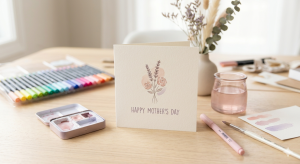
Colour choices can change the tone of the card quickly. Soft pastels, muted tones, or even a single colour palette tend to work better than multiple contrasting shades.
In the process of how to create a mother’s day card, restraint in colour selection helps maintain clarity. Too many colours can distract from the message and central element.
Include a Small Insert or Extra Layer
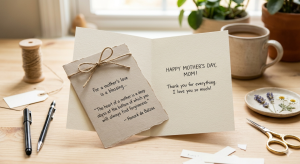
A card can include more than just the front and inside sections. Adding a small insert, such as a folded note or an attached tag, introduces an additional layer without complicating the structure.
When considering how do you make a mother’s day card, this detail allows for extra content without crowding the main message. It can be used for a longer note, a quote, or even a simple list of thoughts.
Pair the Card with a Complementary Element
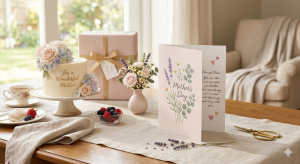
While the card itself carries meaning, it is often part of a larger gesture. Pairing it with something simple can complete the presentation.
Within the broader context of how to create a mother’s day card, combining it with gifts for mothers day creates a more cohesive setup. The card does not need to compete with the gift. It supports it.
Similarly, placing it alongside a mother’s day cake during a celebration allows it to remain visible without requiring a separate moment. The card becomes part of the overall arrangement rather than a standalone element.
Keep the Final Presentation Clean
Once all elements are in place, it helps to review the card before finalising it. Check spacing, alignment, and whether any part feels unnecessary. When finishing how do you make a mother’s day card, removing one extra element often improves the result more than adding another. The final version should feel complete without appearing crowded.
Creating a card by hand does not require advanced materials or techniques. The process remains straightforward when each step is considered in sequence. Understanding how to create a mother’s day card comes down to making a few deliberate choices rather than following a fixed template. The result may not look identical to professionally printed cards, but that difference is what gives it relevance.


