
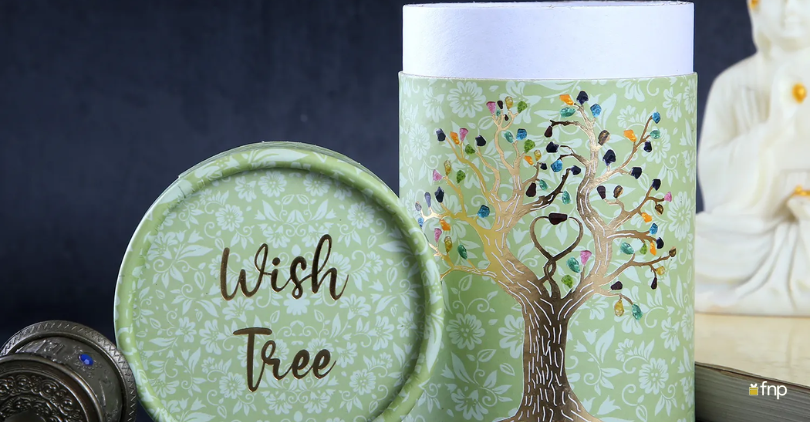
A wish tree is often encountered without much explanation. It may appear at a wedding corner with handwritten notes tied to branches, at a festival where visitors pause briefly to write something personal, or even as part of a decorative setup. At first glance, it seems simple. But when examined more closely, the idea carries more depth than the structure suggests. Understanding wish tree meaning requires looking beyond the object and focusing on the act itself.
A wish tree is essentially a space where intentions are expressed in a tangible form. Instead of keeping thoughts internal, people choose to write, tie, hang, or place them onto a physical structure. This act creates a visible representation of something that is otherwise intangible. The form may vary, but the purpose remains consistent across contexts.
Origins and Cultural Context
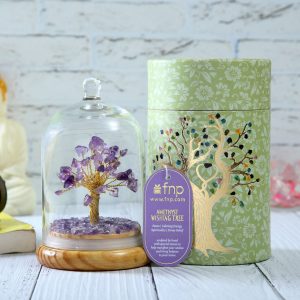
The idea of a wish tree does not belong to a single tradition. Variations of it appear across different cultures, often without direct connection. In parts of Asia, trees have historically been associated with spiritual presence, where individuals tie ribbons or papers as offerings or requests. In some European traditions, “clootie trees” involve tying cloth pieces to branches as a symbolic act linked to healing or hope.
When exploring wish tree meaning, these cultural references become important. They show that the association between trees and human intention has existed for a long time. Trees, by nature, represent continuity, growth, and stability. These characteristics align easily with the idea of wishes, which are often tied to the future. Over time, the concept moved beyond spiritual or ritual use and entered more general, everyday settings. The symbolism remained, but the context became more flexible.
The Structure of a Wish Tree
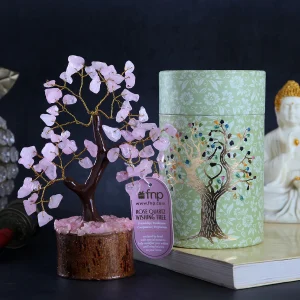
A wish tree does not follow a fixed design. In natural settings, it may simply be a tree chosen for its accessibility or significance. In more structured environments, such as events or celebrations, it can be created using decorative materials that mimic a tree-like form.
Understanding wish tree meaning involves looking at how it is used rather than how it looks. The presence of notes, tags, ribbons, or small objects tends to define it more clearly than its physical structure. These additions act as markers of individual intent, collectively forming a shared space of expression.
What a Wish Tree Symbolises
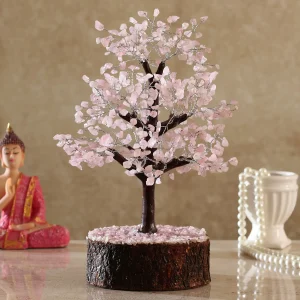
At its core, a wish tree symbolises intention. It reflects the act of acknowledging a hope, a plan, or even a concern by giving it a form. This does not change the outcome of the wish, but it changes how it is held.
Looking deeper into wish tree meaning, the symbolism extends into patience. Once a wish is placed onto the tree, it is no longer actively managed. It remains there, without immediate resolution. This introduces a shift. The focus moves from control to acceptance.
There is also a subtle element of release. Writing something down and placing it externally creates distance from it. The thought is no longer contained internally in the same way. A wish tree allows that transition to happen in a structured manner.
Another aspect is the collective nature. A single tree often holds multiple wishes from different individuals. Each one remains separate, but they coexist in the same space. This creates a shared environment without requiring interaction.
When Should You Use a Wish Tree?
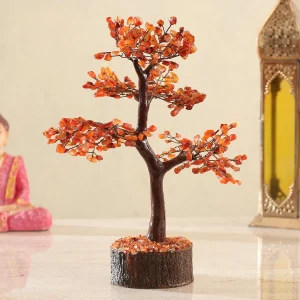
A wish tree is not limited to one type of occasion. Its flexibility allows it to fit into different settings without needing major changes in structure. What shifts instead is the intention behind it.
At weddings, it is often used as a space for guests to leave messages for the couple. The tone here tends to be forward-looking, focusing on shared wishes and long-term hopes. In this context, the wish tree meaning becomes collective rather than individual.
In smaller gatherings or personal celebrations, the wish tree can take on a more reflective role. It may be used to note personal goals, milestones, or even quiet intentions that are not meant to be shared openly. The structure remains the same, but the purpose becomes more inward.
Festivals and community events use the wish tree differently. Here, it acts as a participatory element. People engage with it briefly, often without overthinking the process, yet the act still holds significance. The wish tree meaning in such cases becomes more about shared presence than individual expression.
It can also be included in more private settings, where it is not part of an event at all. A small wish tree placed in a personal space can function as a visual reminder rather than an interactive activity. Over time, it collects thoughts in a way that does not require immediate attention.
What remains consistent across these uses is the structure of the act. A wish tree does not demand a specific format or scale. It adjusts to the setting while keeping its purpose intact.
Why the Concept Continues to Hold Relevance
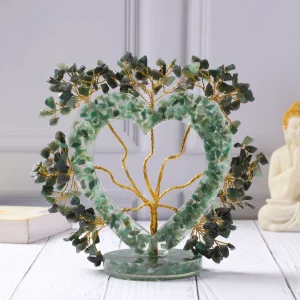
The continued use of the wish tree concept suggests that it fulfills a specific need. It offers a simple, structured way to express thoughts that do not always have immediate outcomes. When examining wish tree meaning, its relevance becomes clearer. It does not promise results or solutions. Instead, it creates a moment of acknowledgment. That, in itself, holds value.
A wish tree also adapts easily. It can exist in traditional, decorative, or even minimal forms without losing its purpose. The flexibility allows it to remain present across different contexts. In the end, a wish tree is less about the structure and more about what is placed onto it. It holds intentions, briefly, without altering them. That quiet function is what allows it to remain consistent, even as its form continues to change.