
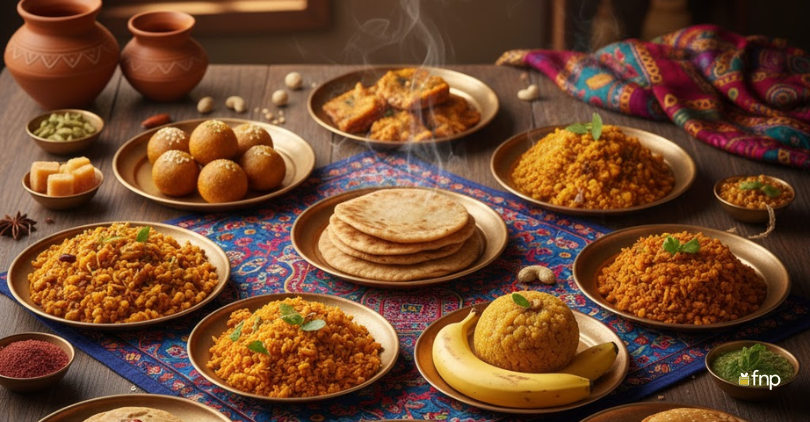
Makar Sankranti is one of India’s most celebrated harvest festivals, bringing together tradition, joy, and, most importantly, food. Observed in mid-January, it marks the sun’s transition into Capricorn (Makara), symbolising prosperity, longer days, and new beginnings. While the festival is celebrated across India, the variety of makar sankranti dishes prepared in each state makes it uniquely regional and irresistibly delicious. From jaggery-rich sweets to rice-based delicacies and sesame-laden treats, these dishes tell the story of local ingredients, age-old customs, and culinary ingenuity. Let’s explore traditional makar sankranti recipes from different parts of India that make this festival so special.
Maharashtra: Tilgul and Puran Poli
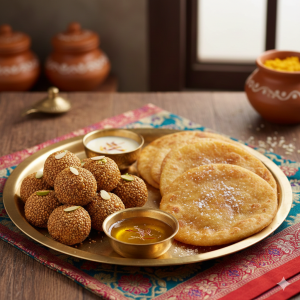
In Maharashtra, Makar Sankranti is synonymous with sesame seeds and jaggery. The most iconic preparation is tilgul, small laddoos made from roasted sesame seeds and melted jaggery. Exchanging tilgul with friends and family comes with the saying, “Tilgul ghya, god god bola” (Eat sweets and speak sweetly), reflecting the festival’s spirit of harmony. Another traditional favourite is puran poli, a flatbread stuffed with lentils, jaggery, and aromatic spices such as cardamom and nutmeg. Both dishes are classic examples of makar sankranti dishes that combine taste, tradition, and warmth during the winter months. These treats are a must-have for anyone exploring authentic makar sankranti recipes from Maharashtra.
Gujarat: Undhiyu and Chikki
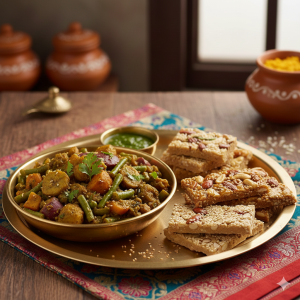
In Gujarat, the festival is marked by the preparation of Undhiyu, a slow-cooked vegetable dish featuring winter vegetables like surti papdi, sweet potatoes, and purple yam. Traditionally cooked in earthen pots, this dish embodies the abundance of the harvest. Sweet treats like sesame chikki and peanut chikki are also essential. Crunchy and jaggery-laden, they are perfect examples of traditional makar sankranti recipes passed down through generations. During this part of the festival, many families also exchange makar sankranti gifts, often paired with these sweets, as a gesture of love and celebration. This custom not only strengthens bonds but also brings modern gifting into the heart of age-old traditions.
Tamil Nadu: Pongal
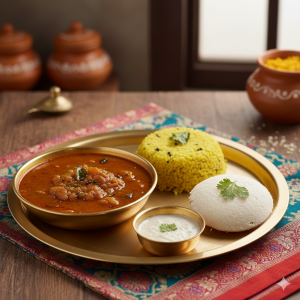
In Tamil Nadu, Makar Sankranti is celebrated as Pongal, a four-day festival that honours the sun, cattle, and nature. The highlight is the dish Pongal, which literally means “to boil over,” symbolising prosperity and abundance. There are two popular versions, Sakkarai Pongal, a sweet preparation with rice, jaggery, ghee, cashews, and cardamom, and Ven Pongal, a savoury dish made with rice, lentils, black pepper, cumin, and ghee. Both are considered essential makar sankranti dishes, and trying these authentic makar sankranti recipes provides a true taste of Tamil Nadu’s festive spirit.
Karnataka: Ellu Bella
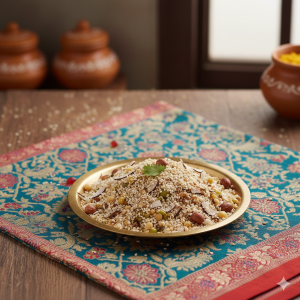
Karnataka’s Makar Sankranti celebrations revolve around Ellu Bella, a mixture of sesame seeds, jaggery, peanuts, coconut pieces, and dry fruits. Families share Ellu Bella as a gesture of goodwill, symbolising friendship and unity. Other treats include obbattu (holige), stuffed with lentils and jaggery, and sugarcane, which is offered as a sign of prosperity. These dishes highlight the regional variation in makar sankranti recipes and showcase Karnataka’s unique culinary traditions.
Andhra Pradesh & Telangana: Ariselu
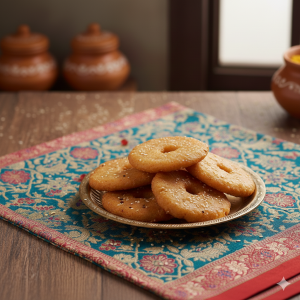
In Andhra Pradesh and Telangana, Ariselu which is also known as Athirasam, is a must-have. Made with rice flour and jaggery syrup, these deep-fried sweets have a soft interior with a crisp exterior. Rice-based dishes like Pongali are also popular, representing the importance of freshly harvested grains during the festival. Together, these makar sankranti dishes form the backbone of Andhra and Telangana’s celebrations, combining simplicity and tradition.
Punjab: Til Rice and Gajak
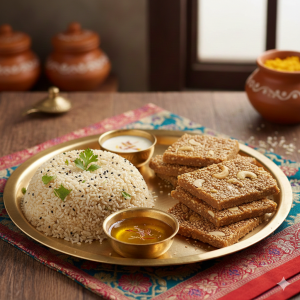
Punjab celebrates Makar Sankranti as Maghi, marking the end of Lohri festivities. One of the traditional dishes prepared is til rice, where rice is cooked with jaggery and sesame seeds, creating a mildly sweet and comforting dish. Punjabi kitchens also feature winter treats like gajak, rewri, and peanut chikki, which are shared generously among friends and family as symbols of warmth, abundance, and togetherness.
Uttar Pradesh & Bihar: Khichdi and Dahi Chura
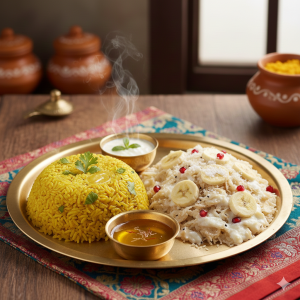
In Uttar Pradesh and Bihar, the festival is also known as Khichdi Parv. Special khichdi made with rice, lentils, and seasonal vegetables, cooked with ghee, is prepared as a community meal. Another traditional dish is dahi chura, flattened rice mixed with curd, jaggery, and sesame seeds. Simple yet nourishing, these are among the most loved makar sankranti dishes in North India. For those looking to enjoy traditional sweets without cooking, ordering sweets online from FNP has become a convenient way to celebrate while still honoring these age-old culinary traditions.
West Bengal: Pithe and Payesh
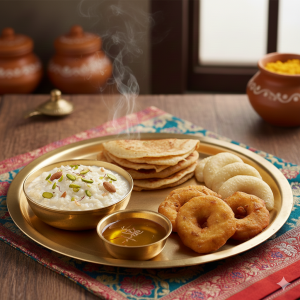
In West Bengal, Makar Sankranti coincides with Poush Sankranti, celebrated with a variety of pithe traditional rice flour cakes filled with jaggery and coconut. These are either steamed or fried and enjoyed fresh during the winter mornings. Payesh, a rice pudding made with jaggery or sugar and milk, is another festive staple. Together, these sweets showcase Bengal’s love for subtle flavours and comforting textures.
Assam: Til Pitha and Laru
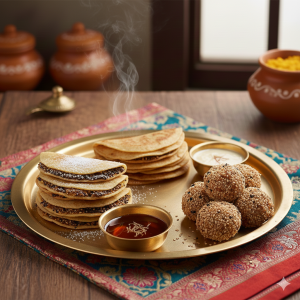
Assam celebrates the festival as Magh Bihu, marking the harvest season. Special delicacies like til pitha (rice cakes filled with sesame and jaggery) and narikol laru (coconut laddoos) are prepared in almost every household. Community feasts and traditional cooking methods make Magh Bihu a deeply social and cultural celebration, with food playing a central role.
Sharing the Sweetness of Sankranti
Across India, the common thread binding these diverse makar sankranti dishes is the use of jaggery, sesame seeds, rice, and seasonal produce, the ingredients that offer warmth, energy, and balance during winter. Beyond taste, these makar sankranti recipes carry cultural stories, family traditions, and a sense of gratitude that has been passed down through generations. In today’s fast-paced world, many people choose to celebrate by sending festive surprises to loved ones. Thoughtfully curated gifts, sweets and festive Gift hampers have become popular ways to stay connected, especially when distance separates families during the festive season.
To Conclude:
Makar Sankranti is more than just a harvest festival. It’s a celebration of India’s culinary diversity and cultural unity. Each state adds its own flavour, yet the spirit remains the same: gratitude for nature, joy in sharing, and hope for prosperity in the year ahead. Whether you’re enjoying tilgul in Maharashtra, Pongal in Tamil Nadu, or pitha in Assam, every dish tells a story, one of tradition, togetherness, and the simple joy of good food shared with loved ones.


